
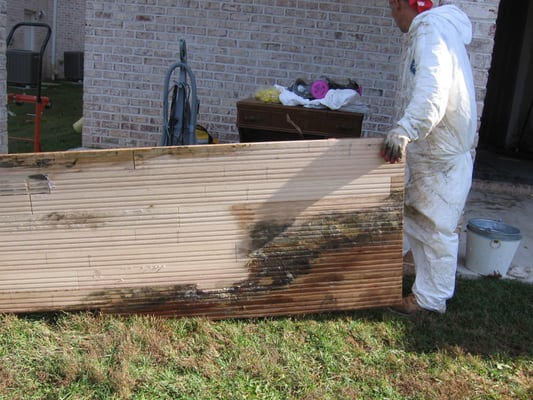
Mold is a common household problem that can affect homes of all ages and sizes. It often develops in areas where moisture remains for extended periods, such as basements, bathrooms, kitchens, attics, and spaces behind walls. Although small patches may appear harmless, mold can spread when the underlying moisture problem is not addressed. Taking prompt action helps protect building materials, maintain indoor comfort, and prevent expensive property damage.
For homeowners in Bethesda, Maryland, understanding the causes of mold growth and knowing when to seek professional assistance can make a significant difference. Proper removal involves more than cleaning visible spots. It requires identifying the moisture source, containing the affected area, removing contaminated materials when necessary, and ensuring the space is thoroughly dried.
What Causes Mold Growth in Bethesda Homes?
Mold develops when spores encounter suitable conditions, particularly moisture and materials that provide an organic food source. Drywall, wood, carpeting, insulation, paper products, and other common household materials can support mold growth when they remain damp.
Several situations can contribute to mold problems in Bethesda properties:
-
Plumbing leaks: Damaged pipes, leaking fixtures, and faulty connections can introduce moisture into walls and floors.
-
Roof damage: Missing shingles, deteriorated flashing, and damaged roof materials can allow rainwater to enter the home.
-
Basement moisture: Poor drainage, foundation cracks, and water seepage can create damp conditions below ground level.
-
High indoor humidity: Excess moisture from cooking, bathing, and inadequate ventilation can encourage mold development.
-
Previous flooding: Water damage that was not properly dried can leave moisture trapped inside building materials.
Identifying these conditions early is essential because removing visible mold without correcting the moisture problem often leads to recurring growth.
Common Signs That Your Home May Have a Mold Problem
Mold is not always immediately noticeable. Sometimes it develops in hidden spaces where homeowners rarely look. Recognizing the warning signs can help you investigate a potential problem before it becomes more extensive.
One common indication is a persistent musty odor. If a room smells damp or earthy despite regular cleaning, mold may be growing behind furniture, beneath flooring, or inside wall cavities.
Visible discoloration is another warning sign. Mold can appear as black, green, gray, brown, or white patches on different surfaces. However, appearance alone cannot reliably identify the type of mold present.
Other possible indicators include:
-
Peeling or bubbling paint.
-
Water stains on ceilings and walls.
-
Warped wooden flooring.
-
Damp carpeting or upholstery.
-
Condensation around windows.
-
Repeated moisture problems in the same location.
When these signs appear, investigating the source of moisture should be a priority.
Why Professional Mold Removal Is Important
Cleaning visible mold may seem like a straightforward household task, but larger or hidden infestations require a more systematic approach. Improper cleaning can disturb contaminated materials and spread spores into other parts of the property.
Professional mold removal bethesda md services generally focus on identifying affected areas, controlling contamination, and addressing the conditions responsible for mold growth.
Trained professionals can evaluate the extent of the problem and determine which materials can be cleaned and which may need removal. They can also establish containment measures to reduce the movement of airborne particles during remediation.
Professional assistance is particularly valuable when mold covers a substantial area, returns after cleaning, affects porous materials, or appears following significant water damage.
Understanding the Mold Removal Process
Effective mold remediation involves several stages. Each step contributes to removing contamination and reducing the likelihood of future problems.
1. Initial Inspection and Assessment
The first step is examining the property to identify visible mold, moisture damage, and possible hidden growth. Professionals may inspect basements, bathrooms, attics, crawl spaces, plumbing areas, and other locations where moisture commonly accumulates.
Moisture meters and other inspection equipment may help locate damp building materials. Thermal imaging can sometimes identify temperature differences associated with moisture, although further investigation is needed to confirm the source.
2. Identifying and Repairing the Moisture Source
Mold cannot be controlled effectively without addressing the conditions that allow it to grow. A leaking pipe, damaged roof, foundation seepage, or ventilation problem must be corrected before remediation is considered complete.
Otherwise, the affected area may become contaminated again.
3. Containing the Affected Area
Containment helps prevent mold spores and contaminated dust from spreading into unaffected rooms. Depending on the severity of the problem, professionals may use plastic barriers, protective coverings, and specialized air filtration equipment.
The containment strategy should match the size and location of the affected area.
4. Removing Contaminated Materials
Some nonporous surfaces can be cleaned using appropriate methods. However, porous materials such as heavily contaminated drywall, insulation, and carpeting may need to be removed because mold can penetrate their structure.
Removal should be performed carefully to minimize dust and contamination.
5. Cleaning and Drying
After contaminated materials are addressed, remaining surfaces should be cleaned using suitable methods. The area must also be dried thoroughly.
Dehumidifiers, air movers, and ventilation equipment may help reduce moisture levels and dry building materials.
6. Final Inspection
The final stage involves checking whether the affected area has been properly cleaned and dried. Professionals may review moisture conditions, inspect repaired surfaces, and determine whether additional work is necessary.
The objective is to leave the area clean, dry, and less likely to support future mold growth.
The Importance of Preventing Mold After Water Damage
Water damage and mold growth are closely connected. Even when standing water is removed quickly, moisture can remain inside drywall, insulation, wooden structures, and flooring.
This is why water damage should never be considered resolved simply because visible water has disappeared.
Homeowners should address leaks immediately, remove standing water safely, and arrange proper drying. Wet materials should be inspected carefully, especially when water has entered concealed spaces.
In Bethesda, seasonal rainfall and periods of high humidity can make moisture management particularly important. Regularly checking plumbing connections, roof drainage, basement walls, and window seals can help identify problems before mold develops.
How to Prevent Mold From Returning
Once remediation is complete, prevention becomes the next priority. Maintaining a dry indoor environment can significantly reduce the likelihood of recurring mold growth.
Consider the following practical measures:
Control indoor humidity: Aim to maintain relative humidity below 60%, ideally between 30% and 50%. A hygrometer can help monitor indoor conditions.
Improve ventilation: Use exhaust fans in bathrooms and kitchens to remove excess moisture. Ensure that fans discharge outdoors rather than into attics or enclosed spaces.
Repair leaks promptly: Even minor plumbing leaks can create conditions that support mold growth if ignored.
Maintain gutters and downspouts: Keep drainage systems clear and direct rainwater away from the foundation.
Inspect basements regularly: Look for damp walls, condensation, musty odors, and water entering through foundation openings.
Dry wet materials quickly: Address water spills and wet carpeting promptly. Materials that remain wet for approximately 24–48 hours may develop mold, depending on environmental conditions.
Maintain heating and cooling equipment: Clean and maintain HVAC components, replace filters according to manufacturer recommendations, and address condensation or drainage issues.
These preventive steps help homeowners maintain better moisture control throughout the year.
Can You Remove Mold Yourself or Should You Hire Professionals?
The right approach depends on the size, location, and severity of the mold problem.
Small areas of mold on nonporous surfaces may sometimes be cleaned by homeowners using appropriate protective equipment and cleaning methods. However, larger infestations, recurring growth, contaminated porous materials, and mold associated with extensive water damage require more careful attention.
Professional assistance is recommended when:
-
Mold covers a large area, particularly more than approximately 10 square feet.
-
Mold appears inside walls, ceilings, or flooring.
-
The property has experienced flooding or significant water damage.
-
Mold keeps returning despite previous cleaning.
-
HVAC systems may be contaminated.
-
Occupants have concerns about possible health effects.
Avoid dry brushing or aggressively scrubbing mold because these activities can release spores and contaminated particles into the air. Never mix household cleaning chemicals, especially bleach and ammonia.
Factors That Influence Mold Removal Costs
The cost of mold remediation varies depending on the specific conditions inside a property. There is no single price that applies to every project because some situations involve limited surface cleaning, while others require extensive material removal and reconstruction.
Several factors can influence the overall expense.
Size of the affected area: Larger contaminated spaces generally require more labor, equipment, and containment materials.
Location of mold: Mold behind walls, beneath flooring, or inside ceilings may require additional investigation and removal work.
Type of affected materials: Porous materials that cannot be adequately cleaned may need to be removed and replaced.
Source of moisture: Plumbing repairs, roof work, drainage improvements, or other corrective measures can add to the total project cost.
Level of contamination: Extensive mold growth may require additional containment, filtration, cleaning, and disposal procedures.
Before approving a project, homeowners should request a clear estimate explaining the inspection findings, proposed remediation steps, material removal, moisture repairs, and any reconstruction costs.
Choosing a Reliable Mold Removal Company in Bethesda, MD
Selecting the right remediation company is an important part of protecting your property. Homeowners should look for professionals who understand moisture management, safe removal practices, and appropriate containment procedures.
Start by asking about the company’s experience with residential mold problems and water damage. Find out how the inspection is performed and whether the proposed work includes identifying the underlying moisture source.
It is also useful to ask whether technicians have relevant training and certifications, such as industry-recognized mold remediation credentials.
A reliable company should be willing to explain its process, provide a written estimate, discuss safety precautions, and answer questions about the work.
Be cautious of contractors who promise complete mold elimination without inspecting the property or claim that a particular treatment can permanently prevent mold from returning. Effective remediation depends on removing contamination where necessary and controlling moisture.
Protect Your Bethesda Property With Timely Mold Remediation
Mold problems should never be ignored, particularly when they develop in concealed areas or continue returning after cleaning. Moisture-related damage can affect drywall, insulation, flooring, wooden structures, and other building materials. Addressing the problem early can help reduce repair costs and prevent further deterioration.
Whether you discover mold in a basement, bathroom, attic, or living area, the most important steps are to identify the moisture source, evaluate the extent of contamination, and choose an appropriate removal strategy.
With proper inspection, careful remediation, and consistent moisture control, homeowners can make their properties cleaner, drier, and more resilient against future mold problems.