

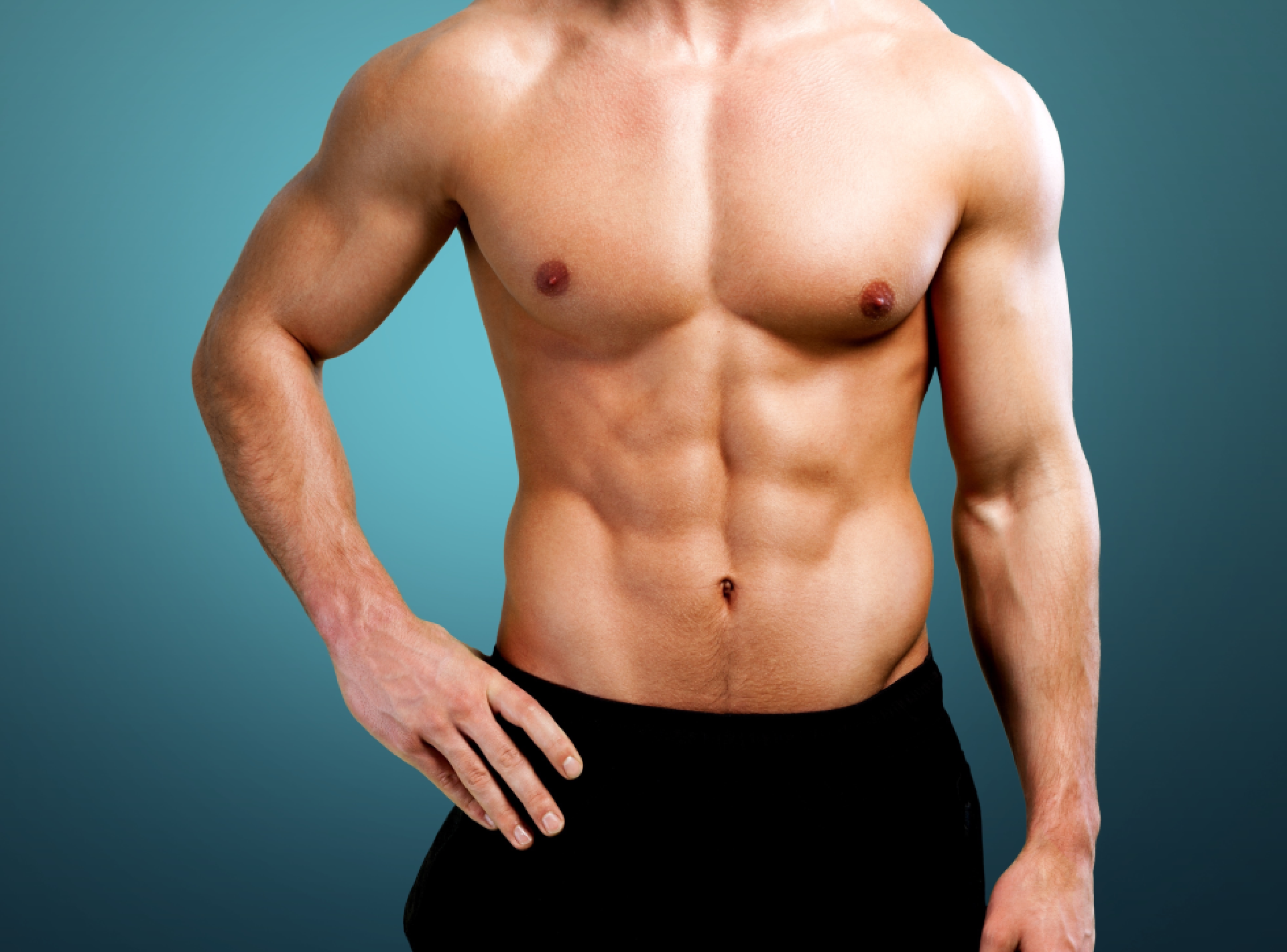
Liposuction is often associated with slimming, but for men, the objective is frequently more specific: improving proportions, emphasizing natural muscle definition, and reducing stubborn fat that remains despite consistent nutrition and exercise. Modern body contouring can be tailored to male anatomy, with treatment plans designed around the individual’s fat distribution, skin quality, and aesthetic goals.
Understanding Lipo for Men
Liposuction is a surgical body-contouring procedure that removes localized deposits of subcutaneous fat. It is not intended to treat obesity or replace healthy weight-management habits. Instead, it can help reshape areas where disproportionate fat persists after a person has reached a relatively stable weight.
For men, contouring often focuses on creating a stronger-looking torso and clearer transitions between the chest, abdomen, waist, and back. The desired outcome is generally not simply a smaller body but a more balanced and defined silhouette.
The Abdomen: Creating a More Defined Midsection
The abdomen is one of the most common areas treated with liposuction. Men may develop localized fat around the upper or lower abdomen that does not disappear completely with exercise.
Removing carefully selected fat deposits can make the abdominal area appear flatter and improve the transition between the stomach and waist. However, liposuction cannot create abdominal muscles where significant muscle development is absent, so expectations should remain realistic.
Flanks and Love Handles
The flanks, commonly called love handles, are another frequent concern among men. Fat in this region can make the waist appear wider and obscure the natural shape of the torso.
Targeted contouring of the flanks can create a more noticeable waist-to-torso transition. Cleveland Clinic’s review of liposuction specifically identifies reducing flank adipose tissue as an approach used to promote a more traditionally masculine upper-body contour.
Chest Contouring
Some men seek treatment for excess fatty tissue around the chest. Liposuction may be appropriate when the fullness is primarily caused by excess fat. However, enlarged male breasts can have different causes, including glandular tissue known as gynecomastia.
A proper evaluation is therefore important before deciding that fat removal alone is appropriate. In some cases, another surgical approach may be necessary to address excess glandular tissue or skin.
Back and Lower Back Fat
Fat along the upper or lower back can affect the appearance of the torso from both the front and side. Some men are particularly concerned about fullness around the lower back and the area surrounding the waist.
Contouring these regions can complement abdominal and flank treatment by creating a more consistent transition around the entire midsection. The abdomen, flanks, and lumbar region are among the commonly treated areas in body-contouring surgery.
Under the Chin and Neck
Liposuction is not limited to the torso. Selected men with localized fat beneath the chin may consider treatment to create a cleaner jawline and improve the profile.
This area requires careful assessment because a double chin may result from fat, loose skin, anatomy, or a combination of factors. Removing fat alone may not produce the desired result when significant skin laxity is present.
Arms and Other Areas
The upper arms can also be contoured when localized fat affects their proportions. Depending on the individual, other potential areas include the thighs, hips, calves, knees, and ankles. Liposuction can technically address many regions, but treatment should be selected according to anatomy rather than simply treating every area containing fat.
What Are the Main Body-Contouring Goals for Men?
Male liposuction goals commonly include:
- Reducing stubborn abdominal fat
- Defining the waist and flanks
- Improving chest contours
- Creating smoother back contours
- Enhancing the appearance of the jawline
- Improving overall body proportions
- Making existing muscle definition more visible
- Creating a leaner-looking silhouette
The emphasis is usually on proportion and definition rather than dramatic weight reduction.
Skin Quality Matters
Removing fat does not automatically tighten loose skin. Men with firm, elastic skin generally have a better chance of achieving smooth contours after fat removal. Skin that has become significantly loose because of aging, major weight loss, or reduced elasticity may require a different or additional approach.
This distinction is especially important for men who have lost substantial weight and are left with both residual fat and excess skin. In such situations, body-contouring surgery may involve skin removal rather than relying on liposuction alone.
Choosing the Right Treatment Plan
Men considering liposuction near me should focus less on simply finding the closest provider and more on finding a qualified surgeon who can evaluate their anatomy, skin elasticity, fat distribution, medical history, and desired outcome. A consultation should include a discussion of realistic results, treatment areas, potential alternatives, recovery, and possible complications.
Safety and Realistic Expectations
Although liposuction is commonly performed, it remains a surgical procedure with potential risks. These can include bleeding, infection, fluid accumulation, numbness, contour irregularities, blood clots, and other complications. Risk can increase when larger areas or multiple procedures are treated during the same operation.
A good candidate is generally someone who is in reasonably good health, has localized fat that does not respond adequately to lifestyle measures, has sufficient skin elasticity, and understands what the procedure can and cannot accomplish.
The Bottom Line
Lipo can be a useful tool for men who want to refine specific areas rather than lose a large amount of weight. The abdomen, flanks, chest, back, and under-chin area are among the regions that may be considered, while the ultimate treatment plan depends on individual anatomy and goals.
The most successful approach is usually one that aims for natural-looking proportion, improved definition, and realistic expectations rather than trying to completely transform the body’s underlying structure.e
