
Is Recessed Lighting Worth the Installation Cost?
Recessed lighting has become one of the most popular lighting choices for modern homes and commercial spaces. Its sleek, minimalist design creates a clean ceiling appearance while providing bright, even illumination. However, before starting a lighting project, many homeowners ask about the cost to install recessed lighting and whether it’s truly worth the investment.
The answer depends on your home’s layout, your lighting goals, and whether you’re replacing existing fixtures or installing new wiring. While recessed lighting typically costs more to install than a standard ceiling fixture, it offers long-term benefits including improved aesthetics, better functionality, increased home value, and energy savings—especially when paired with LED technology. In this guide, we’ll explore installation costs, the factors that influence pricing, and whether recessed lighting is the right investment for your home.
What Is Recessed Lighting?
Recessed lighting, often called can lights or downlights, consists of fixtures installed directly into the ceiling. Instead of hanging below the ceiling surface, the housing is hidden inside the ceiling, leaving only the trim and light visible.
This creates a clean, streamlined appearance that works well in almost any room.
Common applications include:
- Living rooms
- Kitchens
- Bathrooms
- Hallways
- Bedrooms
- Home offices
- Basements
- Commercial spaces
Its versatility makes recessed lighting suitable for both ambient and task lighting.
What Is the Average Cost to Install Recessed Lighting?
The cost to install recessed lighting varies depending on several factors, including the number of fixtures, ceiling type, accessibility, labor rates, and whether new electrical wiring is required.
On average, homeowners can expect to pay:
- Around $100 to $300 per fixture for installations using existing wiring.
- Around $200 to $500 or more per fixture when new wiring, ceiling modifications, or complex electrical work is required.
Larger projects involving multiple fixtures may reduce the average cost per light because electricians can complete the work more efficiently. Costs also vary by region and the complexity of the installation. (angi.com)
What Factors Affect the Installation Cost?
Several factors determine the final price of your recessed lighting project.
Number of Fixtures
Installing more lights naturally increases material and labor costs.
However, many electricians offer lower per-fixture pricing for larger projects.
Existing Wiring
If electrical wiring already exists near the installation area, labor costs are generally lower.
Running new wiring through finished ceilings often requires additional labor and may increase the overall project cost.
Ceiling Type
Installation is usually easier in unfinished ceilings or during new construction.
Finished ceilings, vaulted ceilings, and ceilings with limited attic access often require more time and specialized techniques.
Type of Recessed Fixture
Different recessed lights have different price points.
Options include:
- Standard recessed lights
- Adjustable gimbal lights
- Shower-rated fixtures
- Smart recessed lighting
- Ultra-thin wafer lights
Premium fixtures typically cost more but may offer additional features such as dimming, color temperature adjustment, or smart home compatibility.
Labor Costs
Electrician labor rates vary by location and project complexity.
Projects involving electrical panel upgrades or extensive wiring will generally cost more than simple retrofit installations.
Benefits of Installing Recessed Lighting
Although installation requires an upfront investment, recessed lighting offers several long-term advantages.
Clean, Modern Appearance
Because the fixtures sit flush with the ceiling, recessed lighting creates an uncluttered look that complements both contemporary and traditional interiors.
It also makes rooms appear larger and more open.
Even Light Distribution
Properly spaced recessed lights provide balanced illumination across an entire room.
This reduces dark corners and creates a more comfortable living environment.
Increased Home Value
Updated lighting is often viewed as a desirable feature by potential homebuyers.
Modern recessed lighting can improve a home’s overall appeal and may contribute to its resale value.
Greater Design Flexibility
Recessed lights can be used for:
- General lighting
- Accent lighting
- Task lighting
- Artwork illumination
- Kitchen workspaces
- Bathroom vanities
They work well with dimmer switches, allowing you to adjust brightness for different activities.
Energy Savings with LED Recessed Lighting
Modern recessed lighting is commonly paired with LED bulbs or integrated LED fixtures.
LED recessed lights offer several advantages:
- Lower electricity consumption
- Longer lifespan
- Reduced maintenance
- Less heat generation
- Excellent brightness
Although LED fixtures may have a higher purchase price, they often reduce energy costs over time. According to the U.S. Department of Energy, LEDs use significantly less energy than traditional incandescent bulbs and can last many times longer. (energy.gov)
Is DIY Installation a Good Idea?
Some experienced homeowners choose to install recessed lighting themselves.
However, installation often involves:
- Electrical wiring
- Cutting ceiling openings
- Working with insulation
- Complying with local electrical codes
Hiring a licensed electrician helps ensure the installation is safe, code-compliant, and professionally finished.
Where Does Recessed Lighting Work Best?
Recessed lighting is suitable for nearly every room in the home.
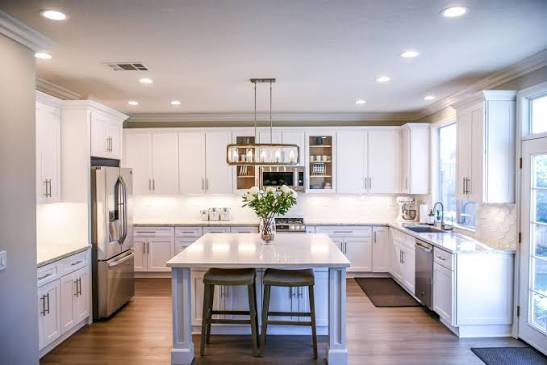
Kitchen
Provides bright task lighting over:
- Countertops
- Islands
- Sinks
Living Room
Creates comfortable ambient lighting while highlighting architectural features or artwork.
Bathroom
Moisture-rated recessed lights provide clean, bright illumination without occupying wall space.
Hallways
Recessed fixtures brighten narrow spaces while maintaining a clean ceiling design.
Home Office
Even lighting helps reduce shadows and improve visibility during work.
How Many Recessed Lights Do You Need?
The number of fixtures depends on:
- Room size
- Ceiling height
- Fixture brightness
- Lighting purpose
A lighting professional can recommend an appropriate layout that provides even illumination without over-lighting the space.
Tips for Reducing Installation Costs
You may be able to lower the cost of your project by:
- Installing multiple fixtures at the same time
- Choosing LED fixtures to reduce future maintenance
- Using existing wiring when possible
- Planning the lighting layout before installation
- Hiring a qualified electrician for efficient installation
Careful planning can help maximize both performance and value.
Is Recessed Lighting Worth the Cost?
For many homeowners, the answer is yes.
Recessed lighting offers:
- Modern aesthetics
- Improved room brightness
- Energy efficiency
- Flexible lighting options
- Increased home appeal
- Long-lasting LED performance
While the initial installation cost may be higher than traditional fixtures, the combination of improved functionality, reduced energy usage, and enhanced appearance often makes it a worthwhile long-term investment.
Conclusion
The cost to install recessed lighting depends on factors such as the number of fixtures, ceiling accessibility, wiring requirements, and labor costs. Although installation requires an upfront investment, recessed lighting provides long-lasting value through improved aesthetics, versatile illumination, energy efficiency, and enhanced home appeal. When paired with LED technology, homeowners can also benefit from lower electricity bills and reduced maintenance over time.
If you’re planning a recessed lighting project, Buy LED Online offers a wide selection of high-quality LED recessed lighting solutions designed for residential and commercial spaces. Whether you’re upgrading a single room or completing a full renovation, Buy LED Online provides reliable, energy-efficient lighting products to help you achieve a bright, modern, and cost-effective lighting design.